

In Nagpur, a furniture plan must respond to west-facing heat, hot roofs, changing ventilation and the way rooms are used between April–May summer and the monsoon. By the end, you will know how to map solar exposure, preserve cooling paths, choose suitable materials and test a layout before buying or building furniture.
Key takeaways
- Map west-facing windows and roof heat before placing furniture.
- Keep living and dining furniture clear of main airflow paths.
- Move desks and beds away from hot afternoon walls and glazing.
- Test furniture placement with fans, air conditioners and window shades running.
Start With Nagpur’s Summer Heat Map
April and May should drive the furniture plan in Nagpur, not the cooler monsoon months. Mark west-facing windows first: afternoon sun heats nearby sofas, desks and flooring, while roof heat can leave upper rooms uncomfortable well into the evening.
Summer home design architects in Nagpur therefore plan for solar exposure and air movement before filling rooms by size.
Draw the heat map on the floor plan:
- Trace the sun-facing walls, west glazing, balconies and verandas.
- Mark operable windows, doors, ceiling fans, cooler openings and air-conditioner supply and return paths.
- Keep sofas and tall cabinets out of window openings and ventilation routes.
- Identify shaded indoor and outdoor locations for seating during the hottest hours.
A curtain cannot replace external shade. Overhangs, recessed windows, verandas, external blinds, screens and trees stop sunlight before it passes through glass; furniture placement then supports, rather than carries, the cooling strategy.
Furniture planning for hot weather homes must also change with the season. Use UV-resistant upholstery or washable covers beside exposed glass, and avoid unprotected leather or dark delicate fabric there. Plan covered, ventilated storage for outdoor cushions before the monsoon; exposed metal becomes hot in sunlight, while damp cushions deteriorate against a wall.
Keep Living and Dining Rooms Open to Air Movement
Place the sofa and dining table where the ceiling fan’s effective sweep reaches people, not over an empty passage. Keep the fan centred above the occupied zone, with no tall cabinet or bookcase beside it to interrupt airflow.
A heat conscious furniture layout preserves a reasonably direct route between openings:
- Keep windows and doors fully operable, with no sofa back, dining chair or cabinet pressed against the opening.
- Use low furniture below a window sill, but keep wardrobes, tall bookcases and full-height partitions away from the line between opposite windows or a window and an internal courtyard.
- Leave the route from the living room to a shaded veranda clear, so seating can shift outdoors during hot afternoons or toward a night-breeze path.
- Avoid placing heat-sensitive upholstery or a television beside unprotected east- or west-facing glass, where low-angle sun enters beneath a simple overhang.
Loose chairs and a movable centre table make seasonal adjustment easier. Check that every position still leaves door swings, circulation, electrical outlets and fan airflow usable. A fan cools occupants by increasing heat loss from the body; it does not substantially cool an empty room, so aim its movement at sofas and dining seats.
Protect Bedrooms and Work Zones From Afternoon Heat
Put beds, desks and televisions away from unprotected west-facing windows and walls. In April and May, afternoon sun heats west glass and masonry, while the room can remain hot after sunset. Keep the bed out of the sun’s direct path so sheets and pillows do not absorb heat during the day.
Use this placement rule for each item:
- Beds: Place them on a cooler internal wall or beside a shaded window, not directly against west-facing glass. Leave both sides accessible without narrowing the window or door route.
- Desks: Set them beside north- or south-facing light, or behind external shading. Avoid east- and west-facing glass, which creates glare and heats laptops and your hands.
- Wardrobes: Put tall storage on a solid internal wall. Do not place it between opposite windows, beside a cooler opening or across the main air path.
- Televisions: Mount them on a wall away from direct afternoon sun. Glare encourages heavier curtains, which then block ventilation.
This is the practical brief for architects furniture planning for homes in summer in Nagpur: preserve a clear line between openings. Choose low furniture below a sill where possible, keep the ceiling-fan sweep unobstructed, and leave air-conditioner supply and return paths clear of wardrobes, curtains and high-backed furniture.
Match the Layout to Your Cooling System
The cooling system decides whether furniture should guide air, distribute it or stay out of its way. In furniture planning for hot weather homes, mark windows, cooler openings, fan sweeps and air-conditioner vents before fixing sofas, beds or storage.
| Option | Furniture placement | What goes wrong if ignored |
|---|---|---|
| Cross-ventilation | Keep a direct line between opposite windows, balconies or courtyards. Use low seating below sills; keep tall wardrobes and bookcases off the ventilation side. | A cabinet or sofa blocks the breeze, leaving one side of the room hot and stale. |
| Ceiling fans | Centre seating and beds beneath the useful air sweep, while keeping high-back furniture and hanging lights clear of the blades. | Air circulation becomes uneven, and a tall unit can create a stagnant corner. |
| Air-conditioning | Keep the supply vent and return grille open. Do not place curtains, tall cabinets or high-backed sofas across either path. | Hot spots develop, and the unit runs longer without cooling the room evenly. |
| Evaporative coolers | Place the cooler beside an open window or doorway, with an opposite opening for warm air to escape. Keep furniture clear of both openings. | Moist air collects indoors instead of producing useful cooling. |
| No mechanical cooling | Use loose, movable seating that can shift toward a shaded veranda or evening breeze. Keep west-facing windows and doorways open to operate. | A fixed arrangement traps heat and removes your best cooling option. |
This heat conscious furniture layout also needs to work during monsoon weather, when open windows, damp air and sudden rain change which openings remain usable.
Choose Surfaces, Covers and Shades That Stay Usable
For April–May heat, choose surfaces that do not store or radiate unnecessary heat into the room. Teak, sealed hardwood, powder-coated metal and well-finished laminates handle daily use; avoid unsealed veneer beside windows, where sun and monsoon moisture can cause warping.
Stone or tile floors feel cooler to bare feet, but rugs and low seating reduce that benefit.
| Choice | Summer comfort | Monsoon durability | Best use |
|---|---|---|---|
| Breathable cotton-linen covers | Cooler than synthetic leather | Washable, but dries slowly | Indoor seating with replaceable covers |
| Solution-dyed acrylic fabric | Resists fading and feels less clammy | Handles damp outdoor use | Veranda chairs and sun-exposed sofas |
| Light, mid-tone colours | Absorb less solar heat than black or navy | Hide dust better than white | Seating near west-facing glass |
| External overhangs, verandas or blinds | Block radiation before it heats glass | Protect openings when detailed for drainage | West and south façades |
| Bamboo or cane screens | Filter glare while retaining airflow | Seal them against monsoon moisture | Shaded windows and verandas |
Ask for UV-resistant fabric beside west glass; unprotected dark fabric and leather can become painfully hot. Summer home design architects in Nagpur should place the shade outside the window first, then add washable curtains for glare and privacy. Keep one flexible, shaded seating area for dry-season evenings and monsoon afternoons.
Test the Summer Layout Before You Commit
A measured plan and one daylight-aware 3D review can expose a blocked window, overheated sofa or unsafe fan arrangement before you buy furniture or build walls. Architects’ furniture planning for homes in summer in Nagpur starts with testing movement, not decorating an empty rectangle.
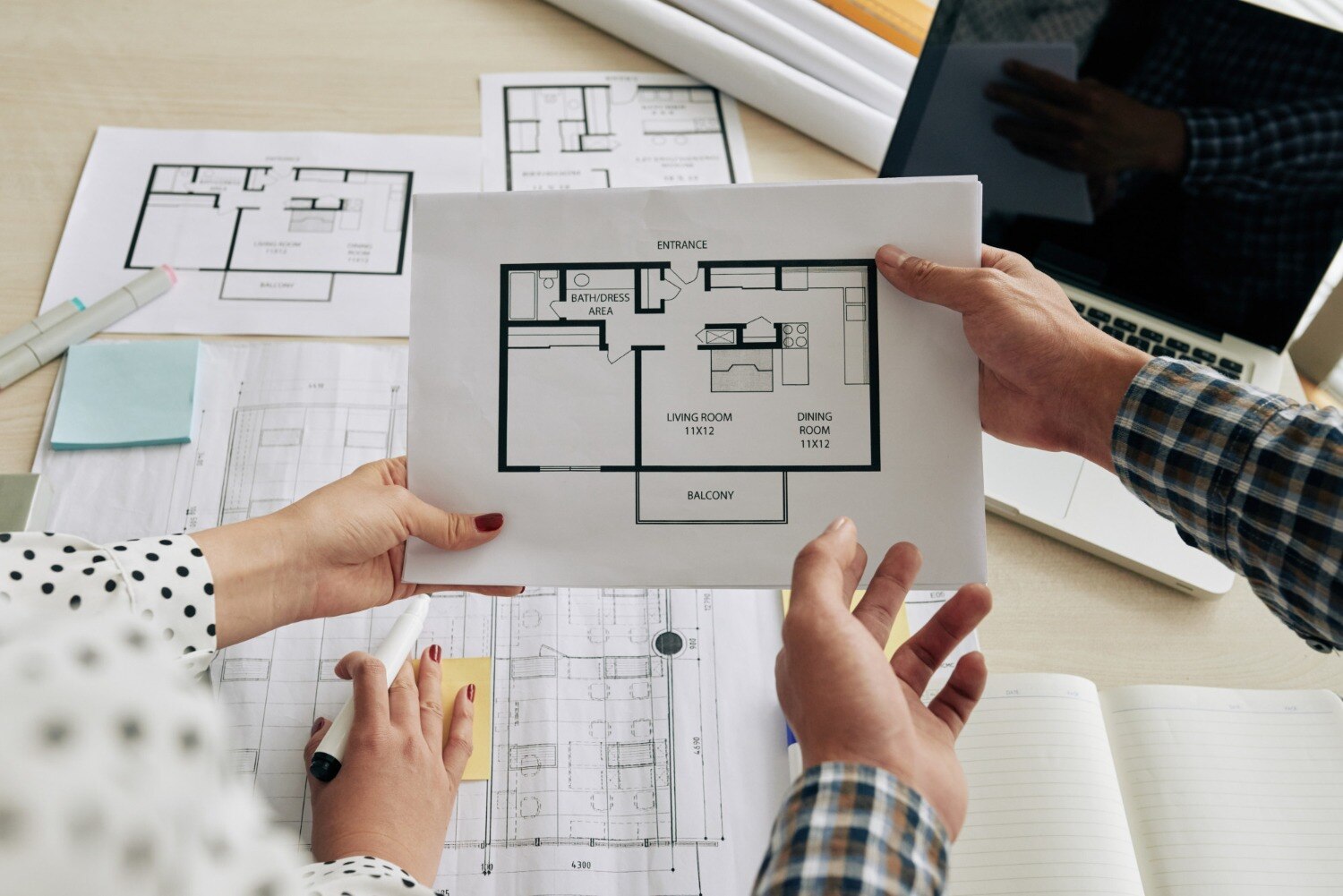
1. Draw the room to scale and mark every operable window, door swing, balcony, veranda, west-facing pane, ceiling-fan blade sweep and air-conditioner supply and return. Add the planned furniture at its actual width and depth, including wardrobe doors when open.
2. Run a 3D review for April and May sun at morning, noon and late afternoon. Check whether west glass strikes beds, desks or upholstery, then test external shade such as an overhang, screen, tree or veranda before relying on curtains.
3. Walk the plan from each entrance to the seating, bathroom and storage. Reject any sofa, cabinet or partition that narrows the route, blocks a window handle or interrupts the direct path between opposite openings.
4. Check furniture height against the ventilation route. Low storage can sit below a sill; a tall bookcase cannot become a wall between windows.
For architectural consultant summer homes in Nagpur work, request these marked-up views rather than a single attractive angle. Mb Design & Build can use a 3D walkthrough to test those decisions before construction fixes them.
Related services
Interior Designing Interior Designers in Nagpur MAHARASHTRA Home Interiors at M. B. View service → |
Architectural Consultants NAGPUR, India M. B. DESIGN & BUILD We offer Architectural and Engineering Design services to various commercial, educational, residential,... View service → |
Frequently asked questions
How should you start planning furniture for a Nagpur home in summer?
Mark west-facing windows, roof-exposed rooms and surfaces that receive afternoon sun before placing sofas, desks, beds or dining furniture.
How can furniture improve airflow in living and dining rooms?
Keep routes between windows, doors and fans open, and avoid placing tall storage or tightly packed seating across the main air movement path.
Where should bedrooms and work zones go during hot weather?
Place beds and desks away from west-facing windows and heated external walls, then use shades, curtains or other barriers to reduce afternoon heat.
How should furniture planning account for air conditioners and fans?
Keep furniture outside the air conditioner's supply and return paths, avoid blocking ceiling fans, and leave enough clearance for air to circulate.
How can you test a summer furniture layout before committing?
Try the arrangement during an afternoon heat period with fans, air conditioners and window shades operating, then check comfort at seating, desk and bed positions.
Related service
3D-Views Designing & Walkthrough 3D-Views Designing & Walkthrough 3D-Views Designing in nagpur, Walkthrough in nagpur, best 3D-Views in nagpur, are you looking best 3d view designer in nagpur. View service → |