


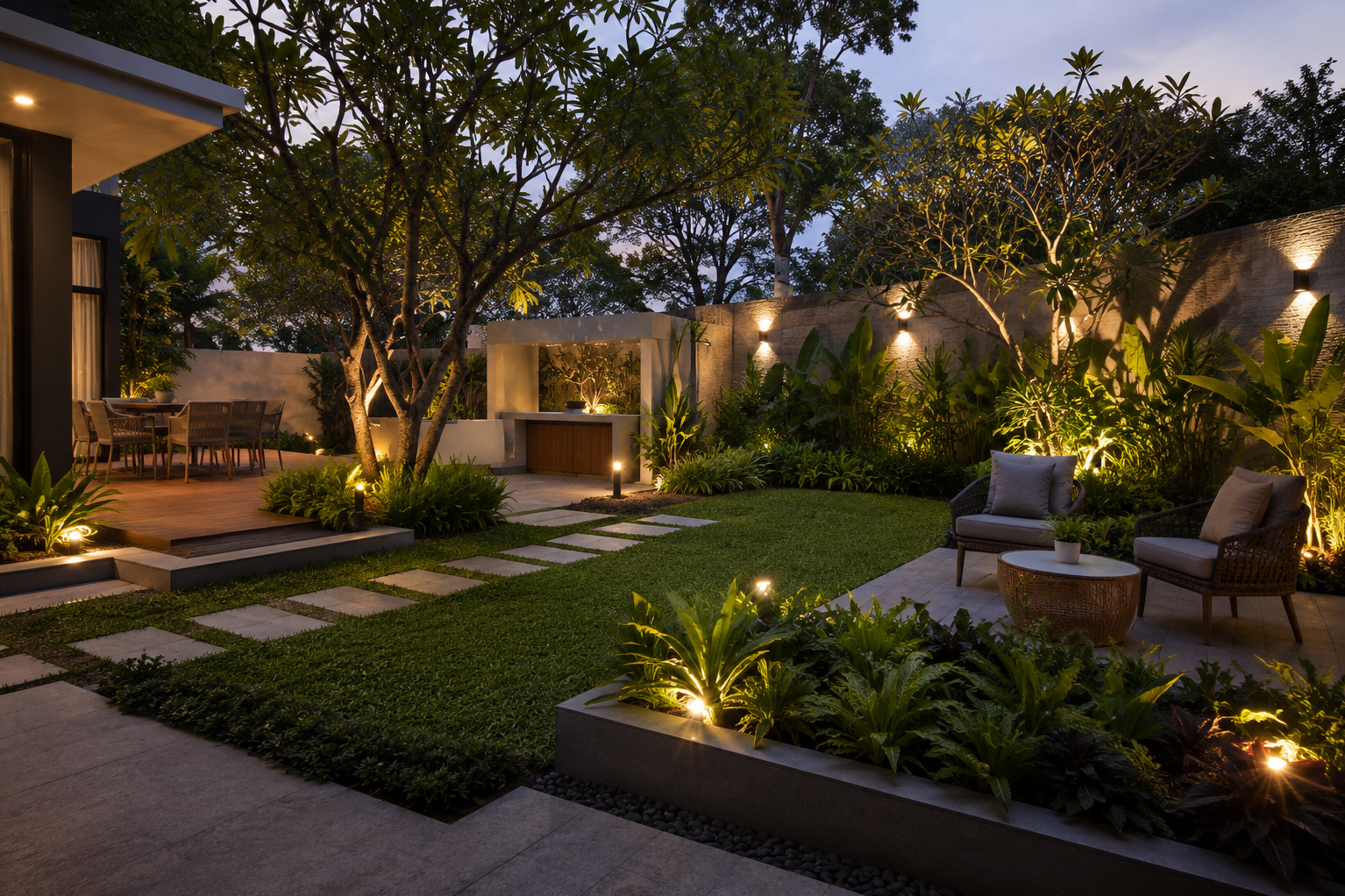
A thoughtfully planned outdoor space adds far more than visual appeal to a property. Professional landscape designing improves functionality, increases property value, supports environmental sustainability, and creates inviting areas for relaxation and recreation. Whether it's a residential garden, a commercial campus, or the surroundings of a hospitality property, a well-designed landscape makes a lasting impression.
In Amravati, where residential developments and commercial properties continue to expand, property owners are placing greater emphasis on outdoor planning. Instead of treating gardens and open spaces as an afterthought, many now incorporate landscape design into the early stages of property development to achieve a balanced and practical environment.
What Does Landscape Designing Involve?
Landscape designing is much more than planting trees and flowers. It combines architecture, horticulture, engineering, and environmental planning to create outdoor spaces that are both attractive and functional.
A professionally designed landscape may include:
- Garden layouts
- Walkways and pathways
- Lawn planning
- Decorative plantations
- Water features
- Outdoor seating areas
- Lighting design
- Irrigation systems
- Boundary treatments
- Recreational spaces
Each element is planned to complement the property's architecture while meeting the practical needs of its users.
Benefits of a Well-Planned Landscape
A professionally designed landscape contributes to both the appearance and usability of a property.
Some of the key benefits include:
- Improved curb appeal
- Better use of outdoor space
- Enhanced property value
- Reduced soil erosion
- Improved drainage management
- Natural cooling through greenery
- Comfortable recreational areas
- Greater biodiversity
These advantages make landscape design a worthwhile investment for both residential and commercial properties.
Planning Around the Local Environment
Successful landscape design takes local climate and site conditions into account. Plants and materials that perform well in one region may not be suitable for another.
Important factors to evaluate include:
- Soil quality
- Sunlight exposure
- Rainfall patterns
- Water availability
- Wind direction
- Existing vegetation
- Property slope
Designing with these conditions in mind helps create landscapes that are easier to maintain and more resilient throughout the year.
Choosing the Right Plants
Plant selection has a significant impact on the long-term success of any landscape.
A balanced planting plan typically combines:
- Shade trees
- Flowering shrubs
- Ground covers
- Ornamental grasses
- Seasonal flowering plants
- Native species
- Low-maintenance greenery
Selecting plants based on growth patterns and maintenance requirements ensures the landscape remains attractive without demanding excessive upkeep.
Functional Outdoor Spaces for Modern Living
Today's landscapes are designed to support a variety of activities rather than serving only decorative purposes.
Depending on the property's requirements, outdoor areas may include:
- Family gathering spaces
- Children's play zones
- Outdoor dining areas
- Meditation gardens
- Walking paths
- Open lawns
- Seating corners
- Decorative entrance landscapes
Creating defined zones improves both usability and visual organization.
Sustainable Landscape Practices
Modern landscape designing increasingly emphasizes sustainability. Thoughtful planning can reduce water consumption, improve environmental performance, and lower maintenance costs.
Common sustainable practices include:
- Rainwater harvesting integration
- Drip irrigation systems
- Native and drought-tolerant plants
- Organic mulching
- Permeable paving materials
- Energy-efficient landscape lighting
- Composting for garden maintenance
These approaches benefit both property owners and the surrounding environment.
Mistakes That Can Affect Landscape Performance
Without proper planning, outdoor spaces may become difficult to maintain or fail to meet the property's needs.
Some common mistakes include:
- Choosing plants without considering climate suitability.
- Overcrowding the landscape with excessive vegetation.
- Ignoring drainage requirements.
- Using high-maintenance plants in large areas.
- Installing inadequate outdoor lighting.
- Neglecting future plant growth.
- Planning without considering irrigation needs.
Avoiding these issues helps create landscapes that remain attractive and practical throughout the seasons.
Why Professional Landscape Planning Matters
Landscape design is most effective when it complements the building rather than competing with it. Coordinating outdoor planning with architecture, construction, and interior design creates a seamless transition between indoor and outdoor spaces.
Many property owners in Amravati now look for integrated design firms that can manage every stage of development under a unified vision. MB Design and Build approaches projects by aligning landscape planning with architectural and construction goals, ensuring outdoor spaces contribute meaningfully to the property's overall design and functionality.
A carefully designed landscape is more than an attractive addition,it becomes an extension of the property itself. With thoughtful planning, suitable plant selection, and functional layouts, outdoor spaces can provide beauty, comfort, and long-term value for years to come.