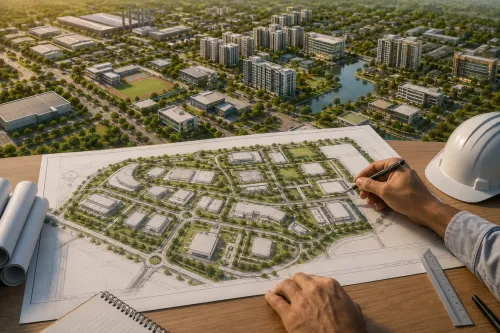

Every successful building begins long before construction starts. While architectural drawings often receive the most attention, the work completed before those drawings are finalized is equally important. Pre Design Services provide the research, analysis, and planning needed to transform an idea into a practical, buildable project. Investing time in this stage helps reduce risks, improve budgeting, and ensure that the final design aligns with the client's goals.
In Bhandara, homeowners, commercial property owners, and developers are increasingly recognizing the value of detailed pre-design planning. Whether constructing a new residence, renovating an existing building, or developing a commercial facility, thorough preparation creates a smoother path from concept to completion.
What Are Pre Design Services?
Pre-design is the first stage of a construction project, where important decisions are made before architectural drawings and engineering plans are developed. This phase gathers all the information required to make informed design choices.
A typical pre-design process includes:
- Site assessment
- Client requirement analysis
- Feasibility studies
- Budget evaluation
- Land measurement review
- Utility assessment
- Local regulation checks
- Space planning discussions
- Project scheduling
- Initial design direction
This information forms the foundation for every stage that follows.
Why This Stage Is Often Overlooked
Many property owners are eager to begin construction and may underestimate the importance of early planning. Skipping the pre-design phase can lead to revisions, delays, and unexpected expenses once construction has already started.
Proper preparation helps identify:
- Site limitations
- Budget constraints
- Legal requirements
- Structural considerations
- Space utilization opportunities
- Future expansion possibilities
Addressing these factors before design work begins saves considerable time and resources later.
Understanding Site Conditions Before Designing
Every plot of land presents different opportunities and challenges. A successful design responds to these conditions rather than ignoring them.
Important site evaluations include:
- Plot dimensions
- Land slope
- Soil characteristics
- Road access
- Sunlight orientation
- Existing vegetation
- Drainage conditions
- Utility availability
These observations influence building placement, foundation planning, and overall site development.
Budget Planning Supports Better Decision-Making
A realistic budget is one of the most valuable outcomes of the pre-design phase. Rather than making assumptions, professionals assess project requirements and align design expectations with available resources.
Budget discussions generally consider:
- Construction costs
- Material preferences
- Interior requirements
- Site development
- Utility installations
- Future maintenance
- Contingency planning
Having financial clarity early allows better decision-making throughout the project.
Defining Space Requirements Clearly
Every project serves a different purpose, and understanding how the building will be used is essential before creating layouts.
Residential projects may require:
- Flexible family spaces
- Efficient kitchens
- Home offices
- Storage areas
- Outdoor living spaces
Commercial developments may prioritize:
- Customer circulation
- Employee workstations
- Meeting rooms
- Parking access
- Service areas
- Future business expansion
These discussions ensure the final design supports daily activities effectively.
Reducing Design Revisions
One of the greatest benefits of pre-design planning is minimizing unnecessary changes during construction. Design modifications after work has begun often increase both costs and project timelines.
Early planning helps avoid:
- Poor room layouts.
- Inadequate storage.
- Utility conflicts.
- Structural redesigns.
- Budget overruns.
- Construction delays.
- Space planning mistakes.
By resolving these issues before detailed drawings are prepared, projects progress more efficiently.
Collaboration Improves Project Outcomes
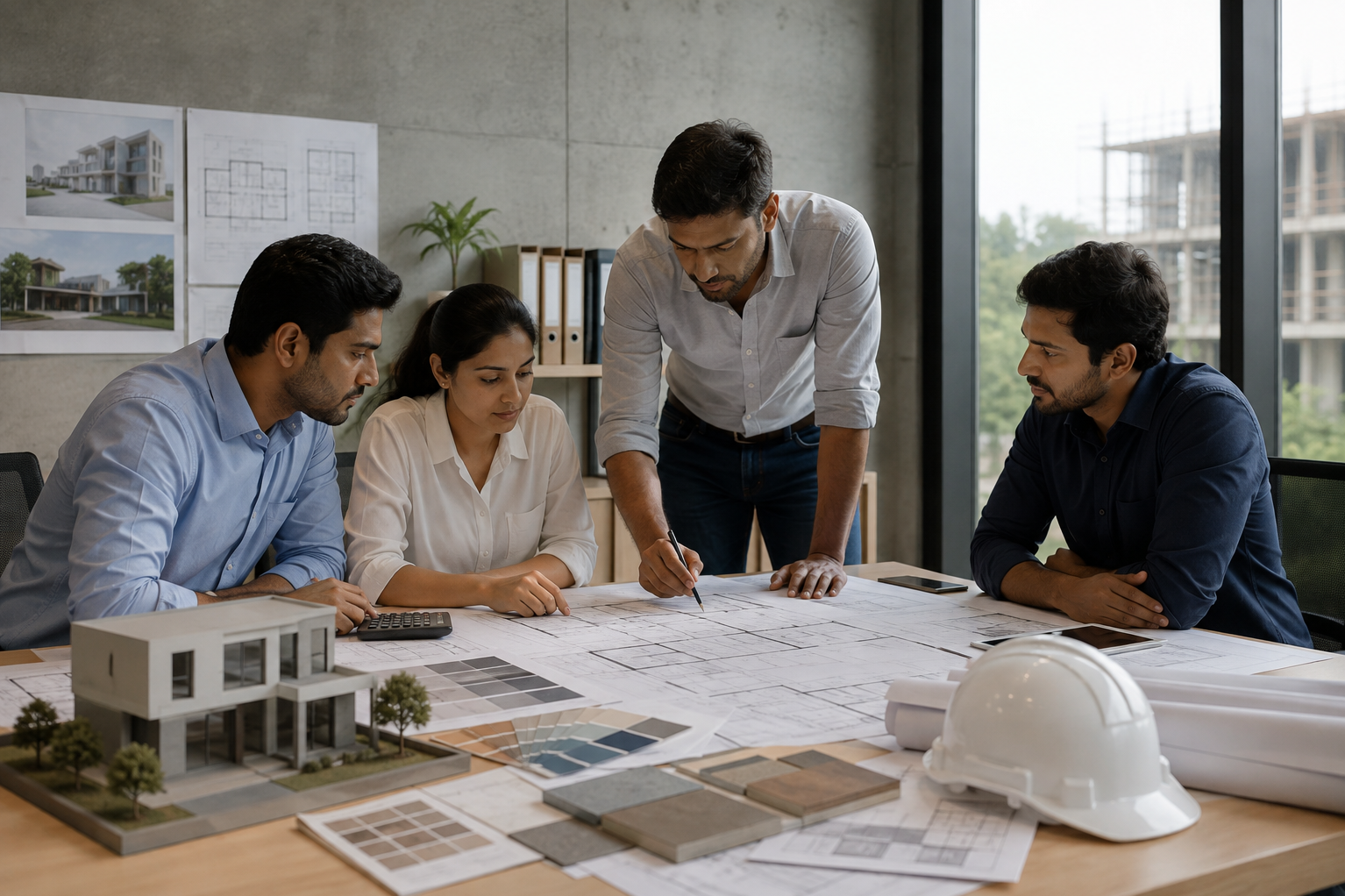
Pre-design services bring together different professionals to evaluate the project from multiple perspectives. Architects, engineers, interior designers, and construction specialists can contribute valuable insights before final decisions are made.
This collaborative approach helps ensure:
- Better coordination
- Improved design quality
- Practical construction methods
- Efficient resource allocation
- Clear project objectives
Strong communication during this phase creates a more organized workflow throughout the project.
Building with Confidence Starts Before Design
Many successful projects in Bhandara begin with careful planning rather than immediate construction. Property owners who invest in pre-design services often experience fewer surprises and better project control from start to finish.
Companies such as MB Design and Build emphasize this early planning stage by understanding client expectations, evaluating site conditions, and developing a clear project strategy before detailed architectural work begins. This integrated approach helps create buildings that are functional, cost-effective, and aligned with long-term goals.
Pre-design services are not simply an additional step,they are the foundation of informed decision-making. By identifying opportunities, addressing challenges, and establishing a clear direction from the outset, property owners can move forward with greater confidence and a stronger likelihood of project success.